Screenshot-2024-04-29-at-1.09.10 PM

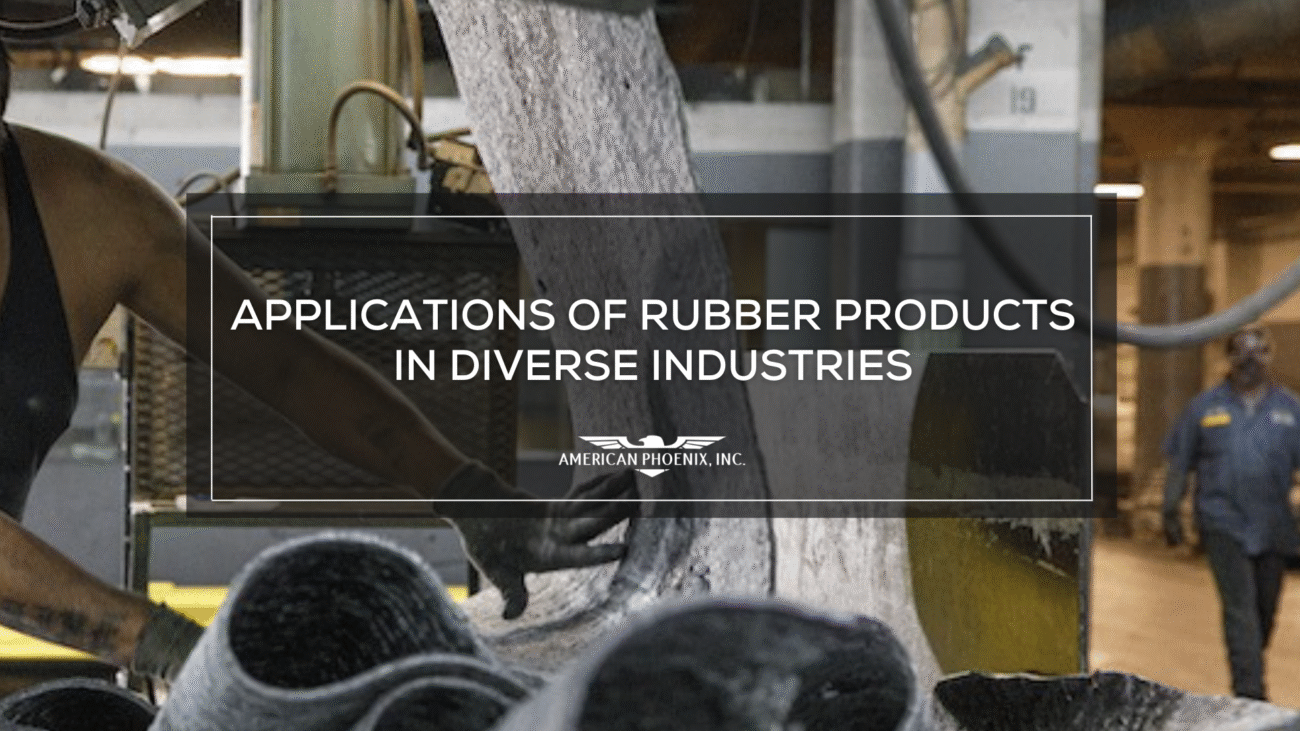
Applications of Rubber Products in Diverse Industries

Screenshot 2024-04-29 at 1.09.10 PM

Rubber has become indispensable across various industries, revolutionizing everything from transportation to healthcare. With its unique properties and versatility, rubber enhances our daily lives and drives innovation across multiple sectors in many ways. Here are just a few of the seemingly infinite uses of rubber.


One of the most versatile materials, rubber has found its way into countless products and industries we rely on daily. From the tires on our cars to the seals in our appliances, rubber is a staple in modern life. Rubber plays a significant role in contributing to the world around us and is invaluable to a diverse range of industries, such as:

Automotive

One of the most recognizable applications of rubber is in the automotive industry. Tires, in particular, rely on rubber’s elasticity and durability to provide traction, grip, and shock absorption, ensuring safe and smooth road rides. Rubber is also used in belts, hoses, and o-rings, which help engines run smoothly and efficiently. Additionally, rubber vibration isolators help reduce noise and enhance comfort for drivers and passengers.

Aerospace and Aviation

In aerospace and aviation, rubber components are essential for sealing, insulation, and vibration dampening. Rubber and gaskets help maintain airtight seals in aircraft doors and windows, while rubber insulation protects critical electrical and mechanical systems from extreme temperatures and vibrations. It is valued for its extreme durability and chemical resistance and is often used in hydraulic actuators, auxiliary power units, turbine engines, and bleed air valves and fittings.

Construction and Infrastructure

Rubber finds widespread use in construction and infrastructure projects, using roofing materials, waterproofing membranes, coatings, joints, and belting, improving durability and safety. Additionally, rubber components prevent leaks in plumbing and HVAC systems, while rubber mats and flooring provide slip resistance and absorb impact and sound.

Healthcare

Rubber’s elasticity and durability make it indispensable in the healthcare and medical fields. Medical gloves, masks, and tubing are often made of latex or synthetic rubber due to their hypoallergenic properties and flexibility. It is also used for medical device seals to ensure airtight connections, prosthetics, and other equipment such as catheters, syringes, and bladders.

Electrical and Engineering

Rubber is commonly used in electronics and electrical engineering for its insulating properties and resistance to heat and moisture. It can be found in cables, wiring harnesses, connectors, and gaskets to protect sensitive electronic components from environmental factors and ensure reliable performance.

Agriculture

In agriculture, rubber materials are crucial in enhancing productivity and sustainability. Rubber hoses and tubes are used for irrigation systems, ensuring efficient water distribution to crops. Additionally, rubber belts and conveyor systems facilitate the movement of produce and equipment, allowing for streamlined operations and reduced reliance on manual labor.

Sports and Recreation

Rubber’s elasticity and resilience make it an ideal material for sporting goods and recreational equipment. Rubber enhances comfort, performance, and safety in various sports and leisure activities, from tennis rackets and golf clubs to shock-absorbing soles in athletic shoes. It is also used in running tracks, gym flooring, and just about every type of sports ball available.

Consumer Goods

Rubber’s versatility also shines in making consumer goods, which are used in everything from household appliances and electronics to waterproof clothing and footwear, enhancing the functionality and durability of everyday items. Rubber grips on kitchen utensils and other handles provide ergonomic comfort and non-slip features, while rubberized coatings on electronics offer protection against shocks and impacts. It can be found in almost every room in the house and outside, as it is used in toys, office supplies, storage containers, hair ties, doorstops, headphones, fashion accessories, gardening tools, and hundreds of other items we use regularly.

From the cars we drive to the the healthcare we receive, rubber touches virtually every aspect of our daily lives. As the rubber manufacturing industry continues to evolve and explore new applications, we expect to see even more groundbreaking uses across all sectors.
5bbd25a0a2e49.image_

History of Manufacturing in Eau Claire

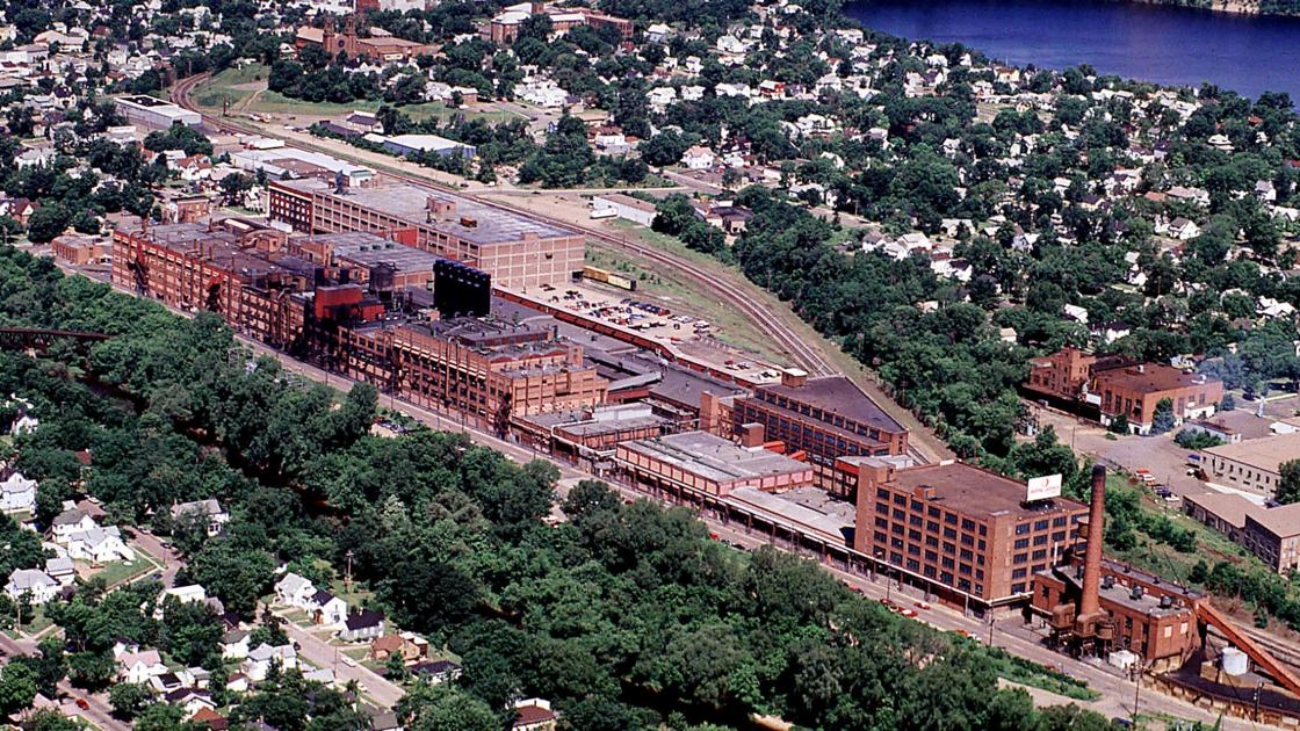
overhead facility image

While API is currently one of the largest employers in Eau Claire and custom rubber mixing plants in America, the area has a long history of manufacturing spanning over a century before its founding. Check out this article to learn more about what products and companies came first.


According to the City of Eau Claire Economic Development Division, “Manufacturing employs about 10,000 people in Eau Claire and the sector contains some of the area’s largest employers.

American Phoenix, Inc. is proud to be one such employer that strives to honor the history of Eau Claire manufacturing in the work we do each day. To do this, we’ve taken a look back at how the area’s major industries evolved over time.

Sawdust City

In the second half of the 19th century, settlers arrived in the Eau Claire, Wisconsin area and started working in local sawmills as the lumber industry began to boom. The first mill was erected in 1846 and, after being destroyed by a flood and subsequently rebuilt, eventually became the host of Eau Claire Lumber company.

By 1890 there were more than 75 sawmills and factories in operation in the area, leading it to become the largest lumber-producing center in the world. This earned Eau Claire the nickname “Sawdust City”, which remained until the early 20th century when the lumber industry began to decrease.

The Rise of Rubber

As lumber production declined, the rubber industry started to gain traction. In 1916, Raymond Gillette founded Gillette Safety Tire Company in Eau Claire, which became a major manufacturer of automobile and bicycle tires alongside other rubber products. The company soon became the largest industrial employer in the city and one of the world’s leading producers of automobile tires.

A series of acquisitions took place in the following years, and the plant eventually became Uniroyal, Inc. (formerly U.S. Rubber) for approximately fifty years. It was then bought by Michelin in 1990, only to shut down just two years later and subsequently be purchased and renamed Banbury Place. Then, in 1992, American Phoenix, Inc. was founded, taking over a large manufacturing section of the property as well as the area’s tire production. Currently, the Eau Claire branch of API is one of the largest custom rubber mixing plants in America.

Diversifying Production

Today, Eau Claire hosts numerous other types of manufacturing companies such as Silver Spring Foods, the world’s largest grower and producer of horseradish; Nestle USA, which locally produces infant formula and a variety of nutritional products; Lippert, which manufactures and engineers highly-quality components for the RV, marine and automotive industries; Phillips Medisize, a medical device development company; Veritas Steel, a leading bridge fabricator.

Due to its well-diversified economy and growing population, it is likely that Eau Claire will continue to be a hotspot for a variety of manufacturers as demand in certain industries increases. Currently, 20% of businesses in the area are part of the manufacturing industry cluster.

If you’d like to be part of the manufacturing history of Eau Claire, visit our careers page to see our available opportunities.


dewitz-american-phoenix-6166-scaled

The Beauty Behind Blue-Collar Work

employee6166

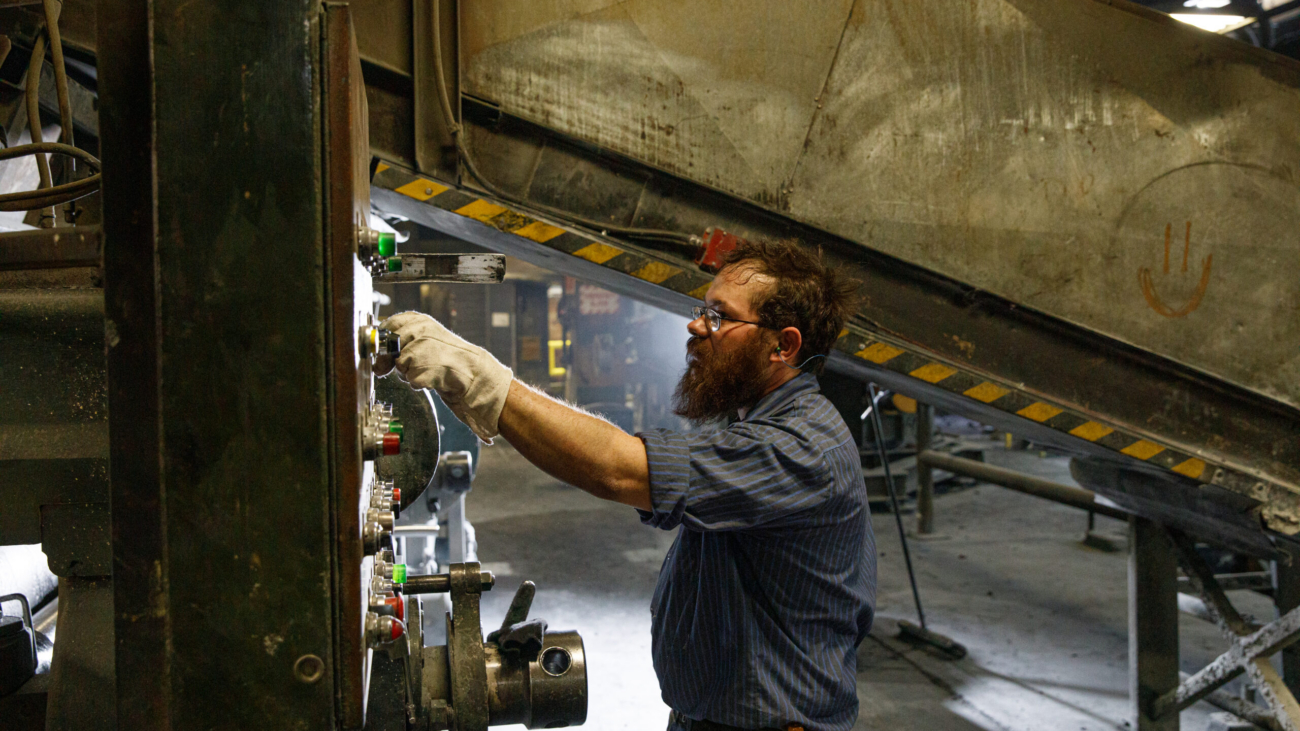
While blue-collar jobs may not always seem the most glamorous, they are the basis of what keeps life as we know it running each day. Check out this article to read about why working as a manual laborer can be an incredibly advantageous career path for dedicated individuals.

___________________________________________________________________________

People with dirty jobs are happier than you think. As a group, they are the happiest people I know… These are balanced people who do unthinkable work. They have this amazing sort of symmetry to their life.” – Mike Rowe, Host of Discovery’s “Dirty Jobs”

While the thought of performing manual labor each day does not always appeal to everyone, blue-collar jobs provide excellent benefits to those who do them. This specific group of workers helps to keep our society running, leading them to feel a unique sense of pride and fulfillment while enhancing their mental and physical health. Could this type of work be a good fit for you?

Learning to Become a Pro

One advantage to blue-collar jobs is that learning a trade is often less expensive and time-consuming than getting an advanced degree. This benefit allows workers to quickly get started with their profession, earn an income and develop their unique skills.

In many industries, tradespeople can learn as they go while on the job and receive training directly from experienced professionals. Getting hands-on experience from the beginning often gives individuals a deeper understanding and appreciation of the process.

As a tradesperson continues in their position, they tend to keep learning and enhancing their skills. This may lead them to be able to take on larger, more complicated projects that are of interest to them. With time, they will become increasingly more capable and confident in their abilities and eventually be able to pass on their knowledge to others.

Solving Everyday Problems

Most blue-collar jobs stem from everyday needs within our society. Construction workers building homes and businesses. Electricians and plumbers fixing our appliances. The employees at American Phoenix help forge the rubber that creates the tires that keep our vehicles moving. The importance of these individuals’ trade is built right into the critical infrastructure of our society.

Because of the nature of these jobs, there will always be a need for someone to do them. Manual laborers in these types of positions are essential to sustain life as we know it each day. This means that they can typically feel high confidence about their job security as an essential worker.

Similarly, individuals who perform blue-collar work can feel significantly prideful about what they do because of the impact it has. In these types of jobs, it is often easy to physically see the work that has been accomplished each day and know that each moment spent on the job helped to complete a task crucial to daily life functions.

Strengthening Mental and Physical Health

There are also added health benefits that blue-collar jobs provide for those who perform them. When completing hands-on tasks, laborers often spend a lot of time moving around and getting functional exercise in the process. This can help to enhance physical strength and endurance.

Additionally, many manual laborers report lower levels of stress and anxiety than office jobs. This is an incredible benefit because it helps to reduce the chances of mental burnout that sometimes result from working in white-collar positions.

Blue-collar workers also tend to have a higher degree of job satisfaction. Because they can recognize their work as meaningful and often see results right away, they are likely to feel more fulfilled in their day-to-day lives.

Here at American Phoenix, Inc., we have an immense sense of pride in the quality work we do every day. If you are interested in a fulfilling position where you are able to consistently learn and grow, check out our current job opportunities.

_________________________________________________________________________

10

API Leadership Participates in Mental Health First Aid (MHFA) Training Course

10

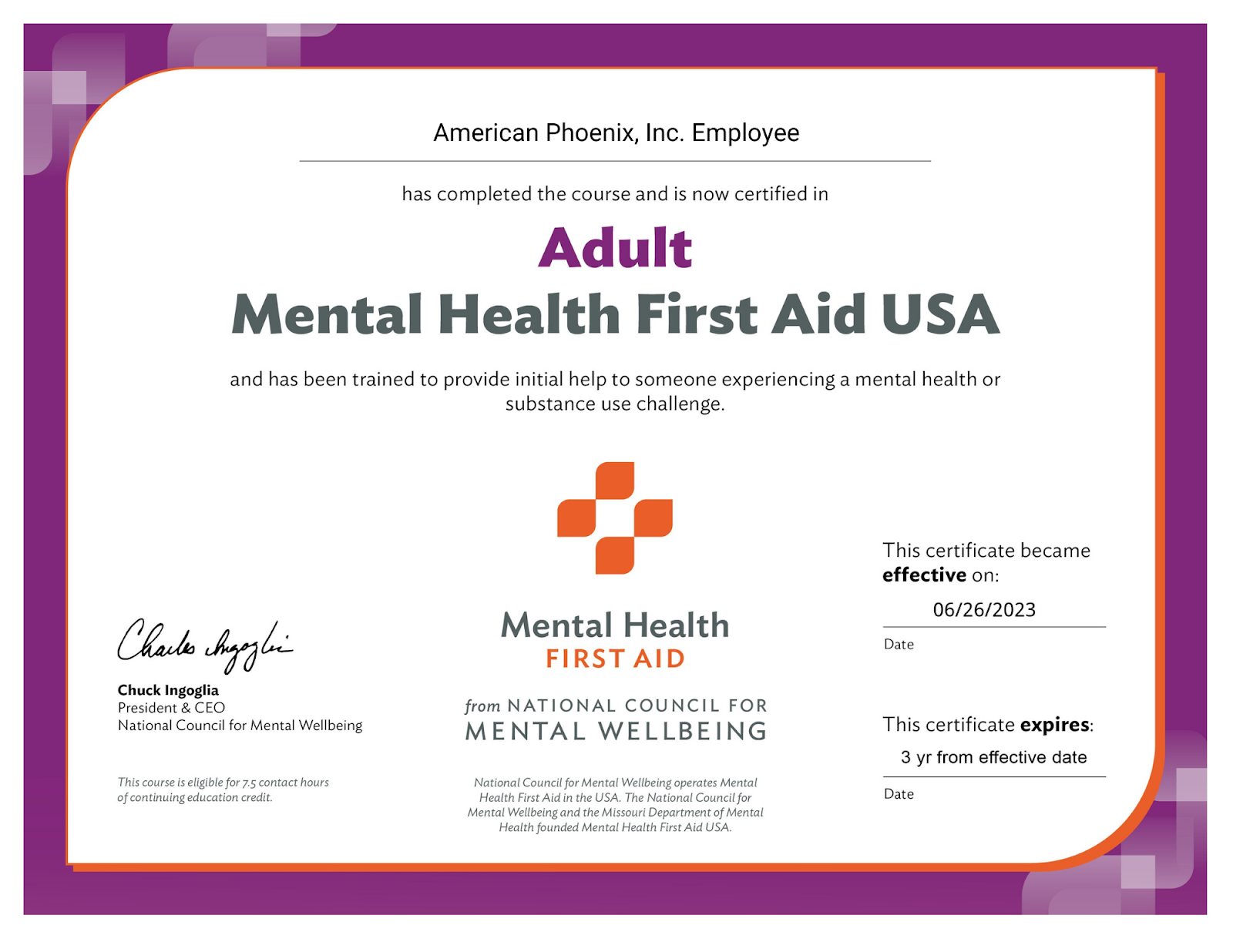
At API, our entire leadership team is proud to hold Mental Health First Aid training certifications. Developed by the National Council for Mental Wellbeing, this course provides learning and resources for its participants to help others dealing with mental health and substance use challenges.


According to the National Institute of Mental Health, it is estimated that at least one in five Americans live with some sort of mental illness – equaling approximately 57.8 million individuals as of 2021. Understandably, dealing with certain mental health challenges can significantly impact an individual’s daily life, including their job.

As part of our ongoing efforts to encourage a safe and supportive working environment for all, our entire API leadership team is certified in Mental Health First Aid (MHFA).

“With American Phoenix, Inc. being a second chance employer, our leadership team has come across many individuals facing life challenges that tend to lead to mental health issues,”  says Andrew Carbert, HR Team Lead. “Because of this, our leadership team decided that Mental Health First Aid Training would be a crucial investment to gain the necessary skills and knowledge to support our people.”

This evidence-based program has been created by the National Council for Mental Wellbeing (previously known as the National Council for Behavioral Health) to provide an extension of traditional first aid training covering mental health and substance use challenges.

The goal is to teach participants how to “recognize the signs and symptoms that suggest a potential mental health or substance use challenge, how to listen non-judgmentally and give reassurance to a person who may be experiencing a mental health or substance use challenge, and how to refer a person to appropriate support and services.”

MHFA training helps participants learn to identify patterns of thoughts, feelings, behaviors, and appearances that may indicate that an individual is experiencing a mental health challenge, provides insight into how to use effective body language, word choice, and listening skills, and outlines an action plan of how to handle crises appropriately.

The program also shows participants how they can become an advocate in their community, promoting positive coping skills and self-care initiatives that may be the first step in an individual’s recovery journey.

“I am so proud to be working for an organization whose leadership team is cognizant of the importance of mental health awareness and how to assist our people in challenging times,” says Andrew.

The roles of MHFA Training Course participants at API include:

  • Human Resource Team Members
  • Plant Managers
  • Safety Department Managers
  • Office Managers
  • Production Supervisors
  • Sanitation Supervisor
  • Maintenance Supervisors
  • Traffic Supervisors

“By equipping our leadership team with the skills from this mental health first aid training course, we’re not just addressing workplace challenges; we’re creating a culture of empathy and understanding, where everyone’s mental health matters,” says Mike Richards, Plant Manager

At American Phoenix, Inc., we believe that everyone matters, and we are committed to learning, growing, and winning together.

To learn more about the importance of this initiative, check out Supporting Employee Mental Health in the Manufacturing Industry as well as thenationalcouncil.org and mentalhealthfirstaid.org.

And, if you’re interested in joining our dedicated team at API, visit our careers page to see available openings.


BZS4nx6ovJ9wfE5xtGMVjSeyj legcH9a0Lgh0M00tLDU QNSgdej0rPWN uw6ZhF8RJJSqyS3JnnNRM 7GHAiLhvvTYaIK
Screenshot-2024-04-18-at-9.12.07 AM

The Role of Rubber Manufacturers in Building a Circular Economy

Rubber Manufacturing

Rubber, known for its durability and versatility, is a prime candidate for recycling and reuse. Rubber manufacturers actively contribute to a circular economy as end-of-life rubber products are transformed into raw materials for new production cycles. From recycled rubber mulch for playgrounds to eco-friendly flooring solutions, possibilities are expanding as manufacturers find innovative ways to reincorporate rubber into new applications.


As the sustainability of commercial production becomes more of a concern, rubber is stepping into the spotlight as a champion of the circular economy. This is being achieved by improving manufacturing processes and repurposing already-used rubber. These thoughtful approaches ensure that products have a second life, reducing the need for new raw materials and taking a step towards eco-consciousness in the industry.

Transforming Waste

In the not-so-distant past, worn-out rubber products would often find themselves relegated to landfills, further contributing to an overabundance of waste in our society. Today, manufacturers are at the forefront of a revolutionary shift, seeing the inherent value in used rubber and transforming it into a valuable resource through recycling.

To do this, they collaborate with other suppliers, customers, and recycling facilities to give used rubber products a new purpose. Through these partnerships, the industry can foster a more comprehensive and effective approach to closing the loop on rubber production.

Repurposing Rubber

Once considered a major environmental concern, old rubber is now a source of opportunity as rubber manufacturers pioneer recycling programs that reclaim the material from discarded tires and other products. The recycled rubber is used to create a myriad of products, from playground surfaces and athletic tracks to eco-friendly shoes.

Instead of ending up in vast junkyards, manufacturers are repurposing rubber through innovative recycling methods. Here are a few ways it is reused:

Eco-Friendly Footwear

Ever thought your shoes could have already hit the road in a different lifetime? Rubber manufacturers are reshaping the fashion landscape by incorporating recycled rubber from used tires and other products into footwear. Sneakers, sandals, and other shoe varieties crafted from upcycled rubber not only reduce waste but also showcase the versatility and durability of recycled materials, especially rubber.

Long-Lasting Landscapes

Your local playground or garden may have undergone a subtle yet impactful transformation thanks to recycled rubber mulch. Manufacturers are repurposing discarded rubber by shredding it, providing a safe and environmentally friendly alternative to traditional wood mulch. This innovative use both extends the life of rubber materials and provides a long-term, low-maintenance solution.

Durable Construction Materials

Rubber is no stranger to construction sites, but now it’s taking on a greener role. Recycled rubber is finding its way into projects through components such as roofing tiles, sealants, and accessibility ramps, contributing to more sustainable building practices. In these applications, rubber provides ample durability while reducing the demand for using new resources.

Hardy Sports Surfaces

Recycled rubber is hitting the fields and courts, providing surfaces that are not only high-performance but also environmentally-conscious. Whether it’s a rubberized running track or synthetic turf made from recycled materials, these surfaces support the athletic pursuits of communities by providing a heavy-duty playing field.

Consumers can become integral partners in closing the loop and promoting a more sustainable, circular economy by choosing items made from recycled rubber, from rubber-based fashion items to eco-friendly home accessories. Whether through product labeling, educational campaigns, or partnerships with retailers, the industry is empowering consumers to make environmentally conscious choices, further amplifying the impact of sustainability efforts.

Manufacturing Responsibly

To truly understand and enhance the sustainability of their products, rubber manufacturers are conducting comprehensive life-cycle assessments. This involves evaluating the environmental impact at every stage, from raw material extraction to end-of-life disposal. By pinpointing areas for improvement, they can refine their processes and contribute to a more circular and sustainable economy.

As a result, rubber manufacturers are increasingly prioritizing sustainable sourcing practices, ensuring that the material they use is obtained in an environmentally and socially responsible manner. This not only safeguards ecosystems but also supports local communities dependent on rubber cultivation.

They are also investing in energy-efficient technologies and processes that minimize waste and reduce the environmental footprint of production. Cutting-edge innovations, such as lean manufacturing and closed-loop systems, enable these companies to optimize resources and increase overall efficiency.

The journey of rubber from discarded to repurposed products showcases the ingenuity of rubber manufacturers in embracing recycling as a cornerstone of a circular economy. As these practices become more widespread, the industry is witnessing a tangible shift towards increased sustainability and eco-consciousness.


dewitz-american-phoenix-8331-scaled

5 Quick Facts About the Rubber Manufacturing Industry

employee 8331

With so many common uses, you’d think most people would know a little bit more about rubber. If you don’t, that’s okay, we’ve rounded up a few of our favorite quick facts about the industry just for you!


Rubber is used in more products than you may even realize. Aside from tires, there are also gloves, cookware, shoes, hoses, floor mats, and much, much more. Here at American Phoenix, we are pretty passionate about the stuff and love to share what we know. Here are a few facts about the rubber industry that may just surprise you.

Rubber Grows in Trees

Hevea brasiliensis (otherwise known as the Pará rubber tree) is a flowering plant native to South America that is the primary source of natural rubber. Similar to the process of gathering maple sap, the bark of these trees produces latex which can be collected through tapping.

Supply is Based on Plant Growth Cycle

After a rubber tree is first planted, it can take approximately five to six years for it to begin producing latex, and up to ten to reach a consistently high level. While the tree may be able to continue producing latex for up to thirty years, it is important to remember that the supply of natural rubber materials is, in fact, left mostly up to nature.

Higher Demand for Natural Rubber

Aside from tires, natural rubber is often preferred over synthetic due to its higher quality. Industrial Rubber Goods notes that “natural rubber is the preferred choice when making surgical gloves and drapes, contraceptives, shoe soles, nipples on baby bottles, rubber bands, [and] even carpet backing.”

Multi-Step Process

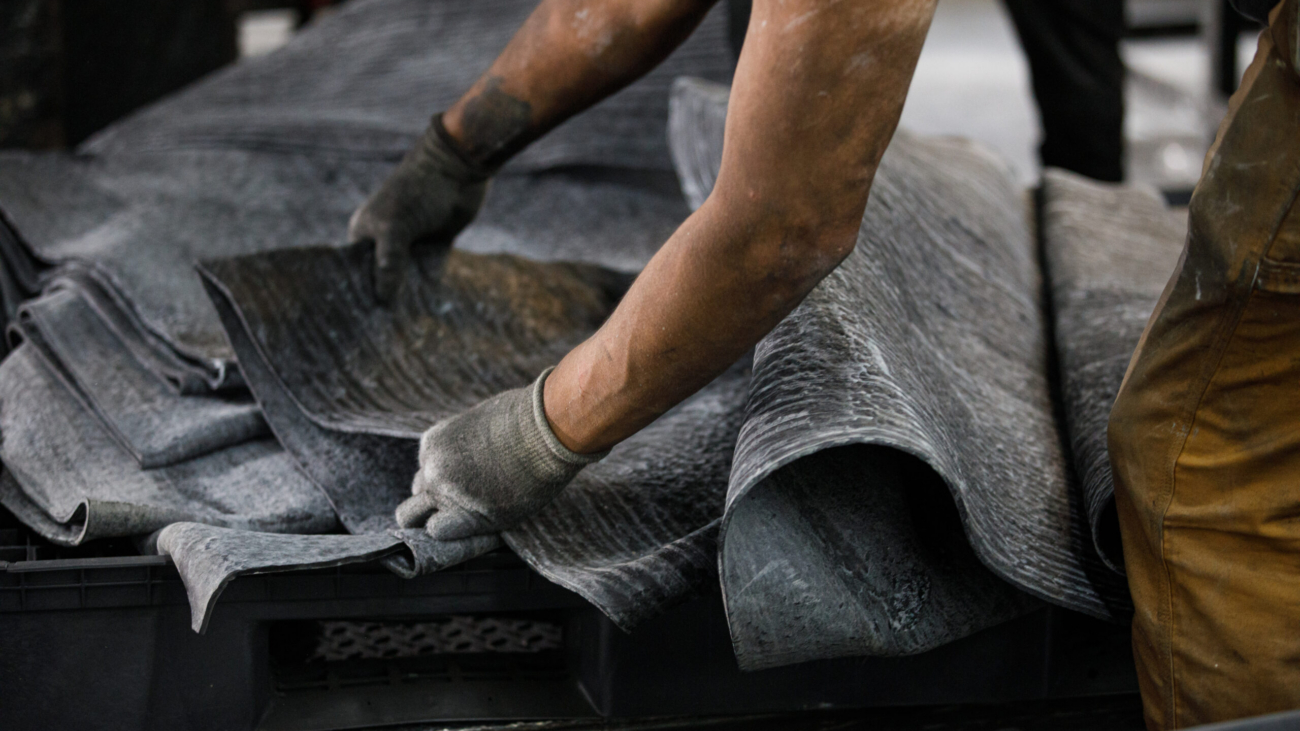
During manufacturing, rubber goes through an extensive process that turns it from its natural sticky and brittle form to be much more durable and useful. The main steps include masticating (being pressed by mechanical rollers), mixing in additional chemicals, calendaring (squishing into shape) or extrusion (squeezed through specially-shaped holes), and vulcanization (cooking with added sulfur).

Rubber can be Recycled

As a more eco-friendly solution to discarding material scaps, old rubber products (such as tires) can be recycled and reclaimed for new purposes. One popular use involves creating low-impact flooring for hospital floors, playgrounds, and athletic fields.

Did you learn something new today? We hope so! If you’d like to learn even more in-depth facts about the rubber industry, check out our careers page to join our knowledgeable team.

13-qfgffb9yuxyfd0ifdk3c4va5r3auw4bxrgn6k4206o

A Guide to Natural vs. Synthetic Rubber

While you probably use products just about every day that include rubber, you might not have realized that different kinds come from different sources. Natural and synthetic rubbers each have their unique properties based on how they are processed and are both useful for different applications.


Rubber, the versatile material that bounces, stretches, and provides grip, is essential to our daily lives. Whether it’s the tires on our cars or the bands that keep things together, rubber plays a crucial role. But did you know that not all rubber is created equally? There are two main types with different characteristics: natural rubber and synthetic rubber.

Natural Rubber

Sourcing and Production

Natural rubber, as the name suggests, is derived from natural sources – rubber trees, primarily the Hevea brasiliensis species. Some of the earliest evidence of its use is from Native Americans thousands of years ago, followed by the first major production efforts beginning in the 18th century. The manufacturing process begins with tapping the trees and collecting the sap, which contains latex.

The latex is then transported to a processing facility, where it is mixed with acid to induce coagulation. Additives such as carbon black and silica may also be included based on the specific properties desired. Once the clumps are formed, they are rolled into a flat sheet and dried. The rubber is then vulcanized, which involves heating the material with chemicals and creating cross-links between the polymer chains, thus improving strength, elasticity, and resistance to heat, chemicals, and wear.

Properties and Advantages

Natural rubber tends to be quite durable and resilient, with a unique set of chemical and physical traits. Some of its main properties include:

  1. Excellent Elasticity: Natural rubber offers exceptional stretchability and rebound. It can stretch many times its length and return to its original shape, making it ideal for applications that require strength and flexibility.
  2. Low Heat Generation: Natural rubber generates less heat during rolling and friction, contributing to better performance and longevity.
  3. Biodegradability: Natural rubber is biodegradable, which means it can break down naturally over time, reducing environmental impact.
  4. Cold Resistant: Natural rubber maintains flexibility in a wide range of temperatures and is resistant to breaking between -58 and 212 degrees F.
  5. High Durability: Natural rubber is impressively strong, and does not easily get cut, chipped, or torn. It is resistant to repeated stress, wear, and abrasion.

Uses and Applications

Natural rubber is widely used in a variety of industries. It’s favored in situations where high resilience and durability are required. A few of its main applications are:

  1. Tire Manufacturing: Because of its excellent elasticity, resilience, and low heat buildup during rolling, natural rubber is a vital component in tire manufacturing. It provides grip, durability, and the ability to absorb shocks, making it ideal for off-road automotive, construction, aerospace, and other applications that require the ability to withstand harsh conditions.
  2. Flooring: Its water and wear resistance make natural rubber an excellent option for flooring and fatigue mats in gyms, animal shelters, and commercial kitchens where padding and anti-slip surfaces are needed.
  3. Clothing: The flexibility, comfort, and waterproof qualities of natural rubber make it a preferred choice for the production of various types of footwear, including sneakers, rain boots, and flip-flops, as well as other types of clothing that require stretch, such as waistbands and wetsuits.
  4. Latex Products: Natural rubber latex can make gloves, balloons, pencil erasers, and paint. Its natural stretchiness and flexibility make it well-suited for products that require a significant amount of elasticity.
  5. Industrial and Mechanical Goods: Natural rubber is used to manufacture conveyor belts, gaskets, seals, hoses, and various industrial goods. Its resilience and durability are valuable in these applications.

Synthetic Rubber

Sourcing and Production

Synthetic rubber is a man-made creation, invented during WWII when the United States was cut off from international natural rubber supply lines and needed an effective alternative to continue manufacturing essential military supplies. It is produced through chemical processes by polymerizing various petrochemical compounds derived from crude oil and natural gas. The compounds undergo a chemical process known as polymerization, where individual molecules (monomers) are chemically bonded to form long chains or networks of polymer molecules.

Various additives, such as antioxidants, accelerators, and curing agents, are mixed with the polymer to enhance specific properties like heat resistance, durability, and curing characteristics. Fillers like carbon black or silica may also be added to improve strength and wear resistance. The rubber is then cured via vulcanization.

Properties and Advantages

The versatility of synthetic rubber lies in the ability to customize its properties. Some are designed for high-temperature resistance, while others prioritize oil resistance, chemical resistance, or flexibility. Some of the main advantages of this type of rubber include:

  1. Versatility: Different types of synthetic rubber can be formulated for particular properties, such as oil resistance, heat resistance, or chemical resistance, making it suitable for a wide range of industrial applications.
  2. Damage Resistance: Synthetic rubber is highly resistant to chemicals, oxidation, and abrasion. This means it does not deteriorate easily and has excellent longevity.
  3. Weather Resistance: Synthetic rubber can withstand extreme temperatures, especially high heat, and is not heavily affected by outdoor conditions such as sunlight, and ozone exposure, making it less susceptible to degradation.
  4. Adhesion: Some synthetic rubbers can bond well with other materials, allowing them to be used as adhesives and sealants to join various components. Varieties with a tacky surface are excellent for applications where grip is essential.
  5. Tear Resistance: Synthetic rubber can be stretched twice its length without deformity. It can handle significant stress and immediately return to its original shape and size without tearing or permanent damage.

Uses and Applications

Synthetic rubber offers a wide range of applications due to its versatility and ability to be tailored for specific purposes. It can have a variety of uses, such as:

  1. Tire Manufacturing: Synthetic rubber is a key component in passenger tire manufacturing. Different synthetic polymers are blended to achieve the desired balance of properties such as tread wear resistance, traction, and impermeability. 
  2. Automotive Components: It is also used in various other automotive components, including engine bearings, clutches, seals, and hoses. Synthetic rubber’s durability and resistance to automotive fluids make it ideal for these applications.
  3. Industrial Products: Synthetic rubber is used in cable installation, belts, gaskets, and rollers in machinery. Its resistance to abrasion, chemicals, and extreme temperatures makes it suitable for industrial use.
  4. Commercial Goods: From wearable items like hair ties, boots, and raincoats to household items such as dishwashing gloves, jar seals, and garden tools, synthetic rubber can be found in many items people use every day due to its impressive versatility.
  5. Medical and Laboratory Equipment: Due to its high durability and resistance to chemicals, synthetic rubber is excellent for lab flask corks, fatigue mats, and prosthetics. 

Outside of their functional properties and applications, one of the biggest deciding factors when choosing between natural and synthetic rubber is typically the cost. The latter often tends to be cheaper, which makes it the best option when price point is critical. However, this is not always the case, as both types are subject to fluctuations in market rates of necessary ingredients, which can change due to a variety of factors.

In the world of rubber manufacturing, natural and synthetic rubber have unique roles and advantages. Natural rubber shines in its eco-friendliness and exceptional elasticity, making it a top choice for tires and various consumer products. On the other hand, synthetic rubber offers versatility, allowing engineers to fine-tune properties for specific needs, whether heat resistance, chemical resistance, or durability. Together, both of these types of rubber keep our world rolling, bouncing, and gripping, meeting many significant industrial and consumer demands.

2-qog5u44dssbpyxxznnp2i609oddgaiou2q0vqa1egg

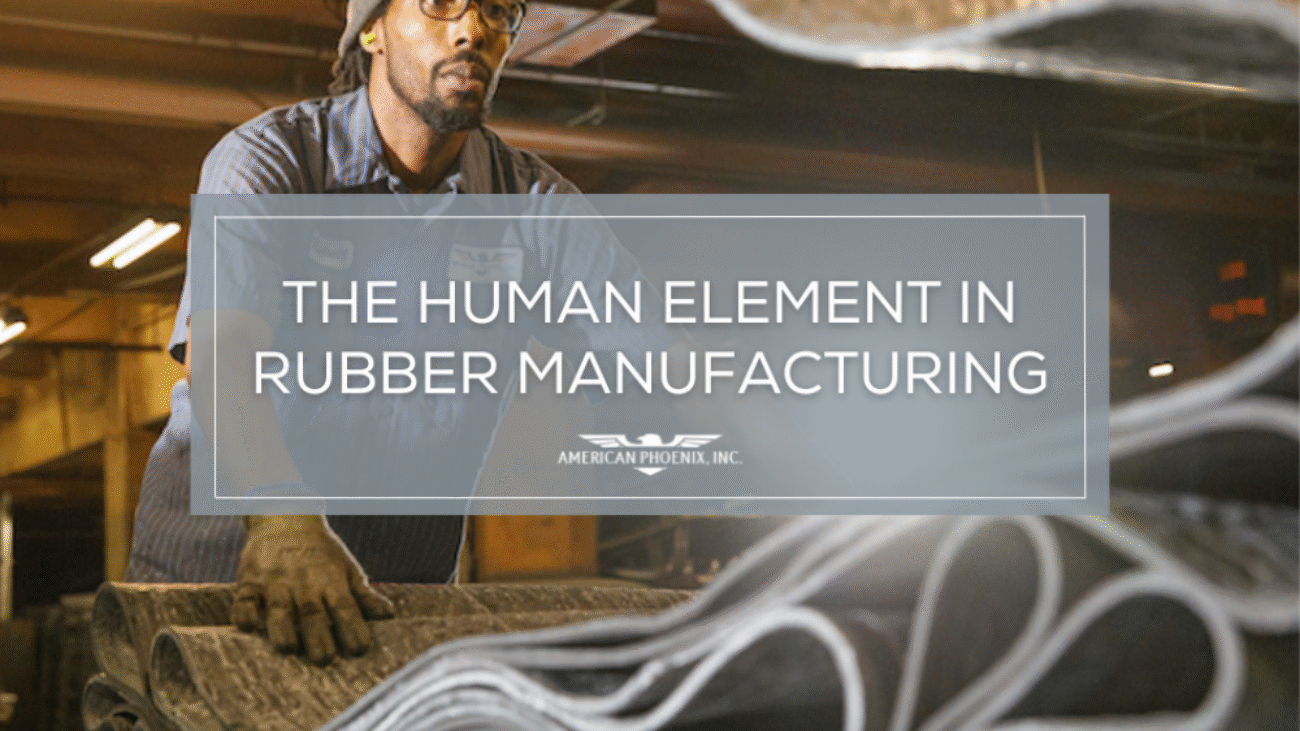
The Human Element of Rubber Manufacturing

At API, our skilled team takes pride in delivering high-quality rubber. Our commitment to customer satisfaction, quality, and innovation are the cornerstones of our success. We know that even though our machines do a lot of work, our business wouldn’t be possible without our people, who play a vital role in the manufacturing process. Before the rubber meets the road, it passes through our hands.


With its sophisticated machinery and intricate processes, rubber manufacturing might seem like a highly automated industry. While those elements play a crucial role, there’s another essential component that often goes unnoticed—the people. Behind every product lies a touch of human expertise, dedication, and craftsmanship. Undoubtedly, people contribute the most to creating an excellent final product.

The Art of Mixing

At the heart of rubber manufacturing is the blending of raw materials to create the perfect rubber compound. While machines handle the bulk of the mixing process, skilled technicians oversee and adjust the recipes to achieve the desired consistency and quality. Their expertise in understanding the nuances of different rubber types and additives is essential in creating compounds that meet specific performance requirements.

Craftsmanship in Molding

Molding is where rubber takes shape, transforming from raw material to the final product. Operators use their keen eye for detail and hands-on skills to ensure that each piece meets specifications. Whether for automotive parts, industrial components, or consumer goods, the precision and care taken during molding significantly impact the product’s functionality and durability.

Ensuring Optimal Quality

Quality control is an integral part of rubber manufacturing, and the humans behind it are crucial to ensuring the final product is satisfactory. Meticulous testing ensures that each batch of rubber products meets strict quality standards and customer expectations. Trained inspectors examine each batch of rubber products, checking for consistency, durability, and performance. Their attention to detail helps identify any irregularities or defects, ensuring that only the best products make it to the market. Their vigilance and commitment to quality assurance help maintain the company’s reputation and build customer trust.

Innovation and Problem-Solving

People who work in rubber manufacturing are not just operators or technicians but also innovators and problem solvers. Facing challenges and seeking innovative solutions is part of their daily work. They have an intimate knowledge of the materials, processes, and equipment involved, allowing them to troubleshoot issues, optimize performance, and ensure quality at every step of the way. Whether improving production efficiency, developing new formulations, or troubleshooting issues, their creativity and ingenuity drive continuous improvement and propel the industry forward.

Building Relationships

Beyond the production floor, people in other roles around the plant are crucial in building and nurturing relationships with customers and partners. Sales representatives, customer service agents, and support staff are vital in understanding customer requirements, addressing concerns, and ensuring a seamless experience from inquiry to delivery. Their knowledge, professionalism, and commitment to customer satisfaction foster a positive experience that fosters loyalty and long-term partnerships. In a world where business is increasingly digital, the human touch remains irreplaceable in establishing trust and understanding customer needs.

While machines and technology are indispensable in modern rubber manufacturing, it’s the humans who breathe life into the process. This industry would not exist without the invaluable knowledge and skills of its dedicated people. From craftsmanship and quality control to innovation and customer engagement, humans are the driving forces behind the quality of production and the core of everything we do.